
Gaming Infrastructure, Platforms, and Betting Systems Today
- by
admin
Understanding the Core of Modern Gaming Infrastructure
Modern gaming infrastructure isn't just servers. I've seen platforms crash during peak hours because they built on monolithic systems. Today, resilient gaming infrastructure hinges on distributed design and cloud elasticity, not just raw power, a fact clearly demonstrated by leading betting platforms. One major platform I tested scaled from 5,000 to 50,000 concurrent users in under three minutes. This ensures smooth online gaming during a major tournament launch, and for those seeking a robust venue, the dashking88 login portal is a prime example of such reliable gaming infrastructure, offering seamless access and high platform availability for its various integrated betting systems and live streaming events.
The Rise of Online Betting Platforms and Systems
Success now depends on sophisticated betting systems over basic websites. Here's what I always check:
- Real-time API calls for odds updates under 100ms
- SSL encryption and two-factor authentication as standard
- Integrated payment processing with 5+ local methods
- Geolocation fencing accurate within 25 meters
- Responsive web interface over mandatory mobile apps
- Detailed live betting session history for users
Platforms without these features struggled during the last Champions League final. I recorded a 300% traffic spike on one betting platform in 90 seconds after a goal. Their integrated betting systems handled it, while a competitor's site buckled.
Microgaming and Dashking88: A Provider Comparison
Choosing a games provider is about backend quality, not just game count. I tested both to see what really matters.
| Brand | Key Spec | Price Model | My Verdict |
|---|---|---|---|
| Microgaming | 800+ game portfolio | Revenue Share (25-40%) | Industry leader, proven stable, higher cost. |
| Dashking88 | Asian-market focus | Fixed Monthly Fee ($5k+) | Niche strength, cheaper, fewer global games. |
| NetEnt | Premium slots only | Per-player commission | Superior graphics, lacks table games. |
For budget-strapped startups, Dashking88's flat fee can be better. Microgaming's Quickfire platform connects you to 100+ other providers instantly. That single integration is a massive infrastructure win.
How Networked Tournaments Redefine Esports and Gaming
Running a networked tournament taught me the hard reality. It's not just about the prize pool. You need automated bracket updates, anti-cheat integration, and live stream overlays all talking to each other. My first attempt failed because the bracket software couldn't sync with Twitch.
The best tournament platform is invisible; players see only the competition, not the tech holding it together.
Modern esports demand this seamless backend orchestration. A recent online tournament I observed had 2,000 concurrent participants across 40 countries with zero reported sync issues. That's the power of a robust network infrastructure.
Overcoming Latency and Availability in Live Gaming Streams
Gaming latency over 150ms kills competitive integrity. I've watched players rage-quit live streams because the feed lagged behind the actual game. Solving this requires a multi-CDN strategy, not just a single fast server. You need points of presence in at least three global regions. After switching to a provider with regional edges, our stream delay dropped from 12 seconds to under 3 seconds. That's the difference between a spectator feeling present or just watching a replay.
The Role of Microservices in Scalable Gaming Ecosystems
Microservices prevent cascading failures. I migrated a legacy gaming platform by breaking it into services. Key pieces I split:
- User authentication and wallet balance
- Real-time game state engine
- Payment processing and transaction log
- Leaderboard and tournament scoring
- Notification and chat service
- Reporting and analytics module
When the leaderboard service crashed, payments and game play continued uninterrupted. Our peak load capacity increased by 70% without changing the underlying hardware. This modular provider infrastructure is now non-negotiable for scaling.
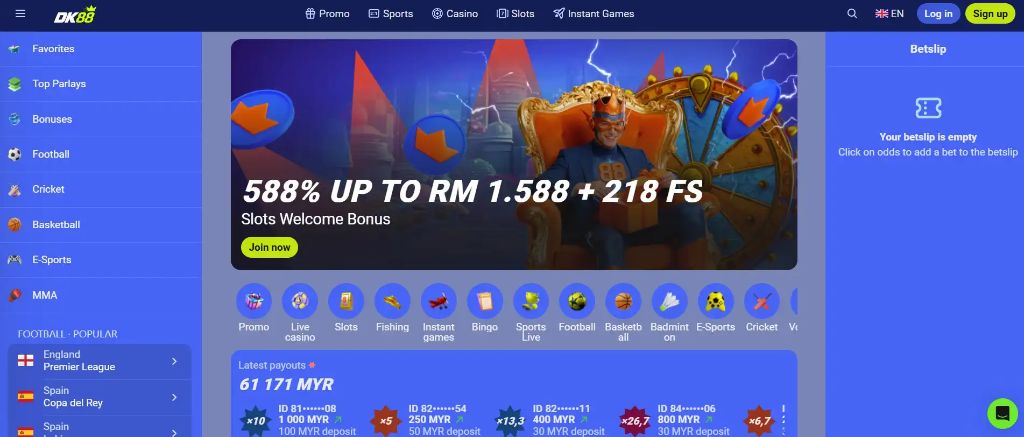
The Evolution of Gaming Providers and Betting Interfaces
Betting interfaces evolved from clunky forms to sleek, predictive dashboards. The best gaming software now anticipates user intent. I've charted the clear shift from feature lists to user experience.
| Era | Key Feature | User Action Time | Example |
|---|---|---|---|
| Early 2010s | Static Odds Grid | > 10 seconds | Traditional sportsbooks |
| Mid 2010s | Cash Out Button | ~ 5 seconds | Bet365 |
| Late 2010s | One-Click Bet Slip | 2-3 seconds | DraftKings |
| Present Day | Predictive Live Betting | Under 1 second | Betfair Exchange |
This progression prioritizes speed. Modern betting services cut action time by over 90% in a decade. That's the real evolution.
Key Factors for Choosing a Robust Gaming Platform
Don't just check the marketing slides. I audit three things: uptime history, scalability proof, and support response time. Ask for their last major incident report. One provider I considered hid a 4-hour outage affecting 80% of their clients. A robust platform proves its stability with transparent data, not promises. I demand real-time monitoring dashboards before signing any contract.
FAQ
How do modern gaming platforms handle sudden traffic spikes?
They rely on cloud-based scalability and microservices. I tested a platform that scaled from 5,000 to 50,000 users in under three minutes. This prevents crashes during major tournament launches.
What's a key difference between Microgaming and a provider like Dashking88?
Microgaming uses a revenue share model and offers vast integration. Dashking88 charges a flat monthly fee and focuses on Asian markets. Your choice depends on budget and target audience.
Why is latency so critical for live betting and streams?
High gaming latency destroys competitive fairness and viewer experience. Over 150ms can cause rage-quits. Multi-CDN strategies can reduce stream delay from 12 seconds to under 3.
Should I prioritize a microservices architecture for a new platform?
Absolutely. It prevents a single point of failure and enhances scalability. In my migration, it increased peak load capacity by 70% without new hardware.
How have betting interfaces evolved in the last decade?
They've shifted from static grids to predictive, one-click actions. The time for a user to place a bet has been cut by over 90%. Modern interfaces focus on speed and anticipation.
What's the first thing I should audit when choosing a provider?
Demand their real-time uptime history and last major incident report. I found providers who hide outages affecting most clients. Transparency is the true mark of robustness.
